
Cyclone Arnab makes landfall on India's east coast as more than 180,000 evacuate
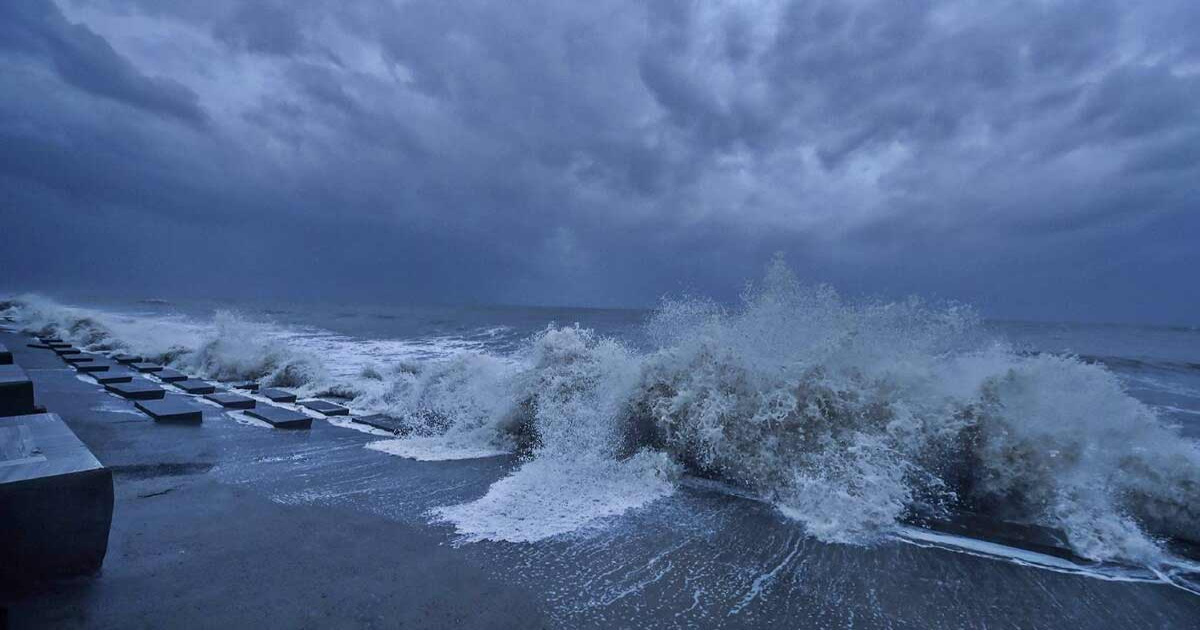 Photo: Skymet Weather
Very severe Cyclone Arnab began making landfall on India's eastern coast in the early hours of Wednesday, crossing the Andhra Pradesh coast near Yanam with sustained winds of 125–135 km/h and gusts up to 150 km/h, after more than 180,000 people were evacuated in Andhra Pradesh and neighbouring Odisha.
The India Meteorological Department said the storm's edge had moved onto land while its centre remained over the Bay of Bengal, making the cyclone "practically stationary" and stretching the landfall process over several hours. The weather office forecast a storm surge of 1 to 1.5 metres above normal tide likely to inundate low-lying areas of Andhra Pradesh, and warned of extremely heavy rainfall along the coast. Operations at three Andhra Pradesh airports were suspended, and some train and flight services were cancelled.
No loss of life had been reported in either state, authorities said, though trees and electric poles were uprooted and power supply was disrupted in several areas. Heavy rain accompanied by gusty winds lashed the Srikakulam, Visakhapatnam, East Godavari, West Godavari and Krishna districts, and preliminary reports pointed to crop damage, with the Godavari districts the worst affected and low-lying areas of Dr B. R. Ambedkar Konaseema district inundated. Andhra Pradesh Chief Minister N. Chandrababu Naidu held a teleconference on the impact and relief operations involving 32,000 personnel, from district collectors to field-level staff, and directed officials to prepare preliminary estimates of crop damage.
Arnab formed over the Bay of Bengal, one of the world's major regions for tropical cyclones, and follows the evacuation effort reported Tuesday, when tens of thousands of people had already been moved to shelters ahead of the storm. In neighbouring Nepal, authorities had warned tourists against venturing into high-altitude areas, fearing the cyclone could trigger torrential downpours, snowstorms and avalanches in the Himalayan region from Thursday night through Saturday.
Sources: Reuters (Oct 28, 2026); The Hindu BusinessLine (Oct 28, 2026); IANS (Oct 28, 2026); ANI via LatestLY (Oct 28, 2026).
Sponsored