FDA orders vision-loss warning on Ozempic, Mounjaro and every GLP-1 drug
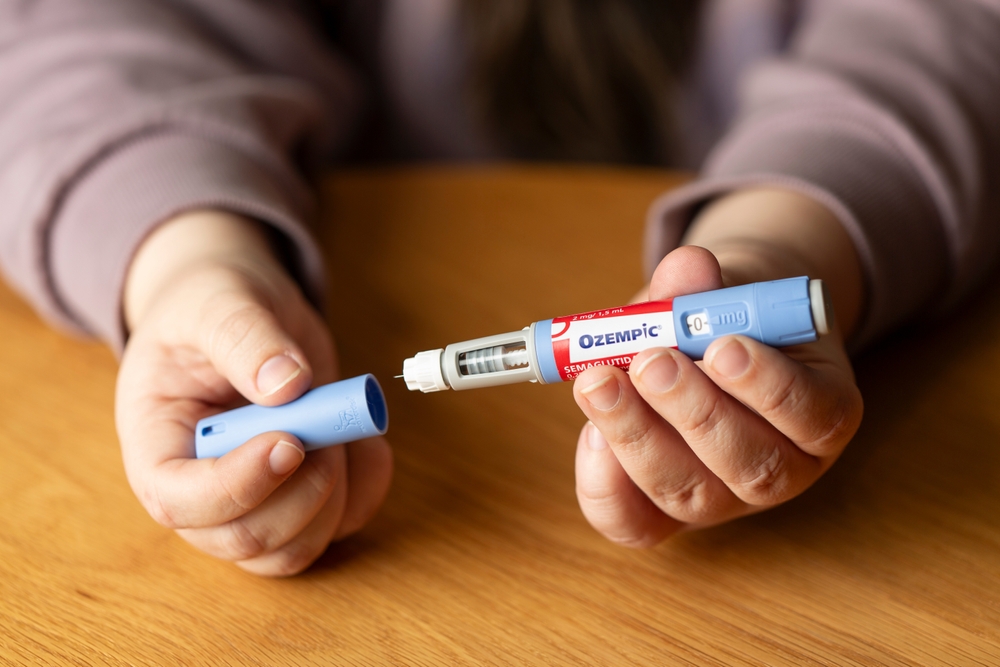 Photo: Shutterstock (file photo)
The Food and Drug Administration on Monday ordered the makers of every GLP-1 drug — including Ozempic, Wegovy, Mounjaro and Zepbound — to add a warning about a rare eye condition that can cause sudden, painless vision loss in one eye, including permanent vision loss.
The condition, non-arteritic anterior ischemic optic neuropathy, or NAION, happens when blood flow to the front of the optic nerve drops. The FDA said the underlying cause is "not completely understood" and described the condition as rare, but concluded after a two-year review that there is a potential increased risk for patients taking the drugs.
The warning must go in the Warnings and Precautions section of the label for all approved GLP-1 receptor agonists. The list covers a dozen products approved since 2005: Ozempic, Wegovy and Rybelsus (semaglutide); Mounjaro and Zepbound (tirzepatide); Victoza and Saxenda (liraglutide); Trulicity (dulaglutide); exenatide; the combination products Xultophy and Soliqua; and Foundayo (orforglipron), approved in 2026. The FDA said NAION cases have been reported for every GLP-1 product currently on the market.
The review began after a study published in July 2024 in JAMA Ophthalmology reported an association between semaglutide and NAION. The FDA said that study had several limitations, but the signal warranted a closer look. The agency then pooled 126 randomized controlled trials with a total of 134,253 patients and 288,879 person-years of exposure. It found 15 probable NAION cases: 10 among patients taking a GLP-1 drug and 5 among patients on a placebo. The rate was 6.4 events per 100,000 person-years on the drugs, compared with 3.8 in the comparison groups.
A separate FDA real-world study of adults with type 2 diabetes who started a GLP-1 drug or another common diabetes medicine between 2019 and 2024 found NAION rates of 26 to 32 events per 100,000 person-years across the groups, with no statistically significant increase for GLP-1 drugs versus SGLT-2 inhibitors, but an increased risk versus DPP-4 inhibitors. The FDA said its review of animal data did not identify a mechanism by which the drugs could raise the risk, and that published observational studies consistently reported an increased risk in patients with type 2 diabetes who started a GLP-1 drug.
Regulators in Europe moved first. Last year, the European Medicines Agency's safety committee said NAION may affect up to 1 in 10,000 people taking semaglutide for at least a year.
The FDA says patients should seek care immediately if they notice sudden, painless vision loss in one eye, blurred or missing parts of vision, blind spots, tunnel vision, distorted colors or reduced central sharpness — and doctors should refer suspected cases promptly to an ophthalmologist. Risk factors for NAION can include smoking, diabetes, high blood pressure, sleep apnea, anemia and kidney disease — conditions that often overlap with the patients who take these drugs.
The action is a labeling change, not a recall or a withdrawal. None of the drugs is being pulled from the market, and the FDA did not restrict who can take them. For the millions of Americans using GLP-1 drugs for diabetes and weight loss, the new warning adds one more item to the conversation with their doctor — and one symptom they are now told never to ignore.
Sources: U.S. Food and Drug Administration, "FDA Requires Safety Labeling Changes for Glucagon-Like Peptide-1 Receptor Agonists (GLP-1 RAs) Due to Potential Increased Risk of Rare But Serious Eye Condition" (Drug Safety Communication, Nov. 9, 2026, full text verified); Reuters, "US FDA orders new eye risk warnings for Ozempic, Zepbound" (Nov. 9, 2026, full text verified); USA Today, "FDA says popular GLP-1 drugs linked to rare risk of vision loss, blindness" (Nov. 9, 2026, full text verified). Event date verified: the FDA Drug Safety Communication was published Monday, November 9, 2026, and confirmed by all three sources.
Sponsored