
GLP-1 weight loss may raise breast density — and mammogram callbacks, study finds
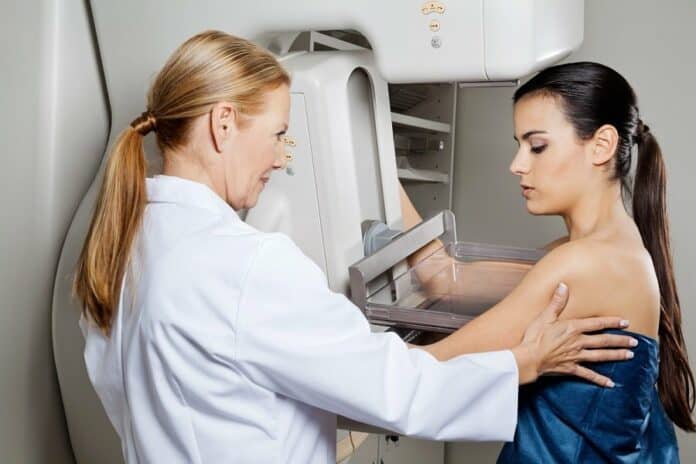 Photo: Insurance World (file photo)
Losing weight on GLP-1 drugs such as Ozempic and Wegovy may change how a woman's breasts look on a mammogram — raising measured breast density and more than doubling the chance she is called back for extra testing, a new study finds.
The study, from Brigham and Women's Hospital in Boston, tracked 107 women ages 34 to 79 who used a GLP-1 drug for weight loss for at least one year. Each woman had a screening mammogram before starting the drug and another at least a year later, allowing researchers to compare the same breasts before and after the weight loss. The women lost an average of 40 pounds, with individual losses ranging from 6 to 107 pounds.
In every case, breast density increased between the baseline and post-treatment mammograms — and the greater the weight loss, the greater the increase. Automated assessment found density rose by at least one category on the standard BI-RADS scale in 65 of 104 women, or 62.5 percent, and eight women jumped two categories, from fatty to heterogeneously dense. No decreases were observed.
"It was surprising that 62.5% of women had increased BI-RADS breast density despite substantial weight loss, with no decreases observed," said lead author Dr. Eva Gombos, a diagnostic radiologist at Brigham and Women's Hospital.
The change showed up in the screening results. The recall rate — the share of screening mammograms that led to a recommendation for additional testing — was 22.4 percent, or 24 of the 107 women, compared with an average U.S. screening recall rate of about 10 percent. Four biopsies were recommended, and all four came back benign. Every recalled case was ultimately assessed as negative or benign, including three simple cysts.
Researchers believe the effect reflects a disproportionate loss of breast fat: as fat disappears, the remaining fibroglandular tissue appears more prominent on the scan, pushing the measured density up without necessarily adding glandular tissue. Breast-size reduction was seen in 57.9 to 78.5 percent of the women, depending on the radiologist, and increased skin thickening in 9.3 to 17.8 percent.
The findings do not mean the drugs raise breast cancer risk, the researchers stressed. "An increase in mammographic density after substantial weight loss does not necessarily mean that the amount of fibroglandular tissue has increased or that breast cancer risk has increased," Gombos said. "The long-term risk implications of these imaging changes remain uncertain and require further study."
The practical advice is simpler: women taking GLP-1 medications should tell their breast imaging team about the drug use and any significant recent weight loss, and should keep up routine breast cancer screening under existing recommendations.
The findings are scheduled to be presented next week at the annual meeting of the Radiological Society of North America in Chicago. Because the study is being presented at a medical meeting, its results should be considered preliminary until published in a peer-reviewed journal.
Sources: Reuters, "Breast density changes with GLP-1 weight loss may prompt mammogram call-backs" (Nov. 25, 2026, full text verified); Radiological Society of North America, news release, "Popular Weight Loss Drug May Increase Breast Density" (Nov. 24, 2026, full text verified); Drugs.com, "GLP-1 Weight Loss Medications Can Increase Breast Density Seen On Mammograms" (Nov. 24, 2026, full text verified). Event date verified: the study was announced Tuesday, November 24, 2026, and reported November 25, 2026.
Sponsored