
U.S. jury convicts Huawei of trade-secret theft and bank fraud
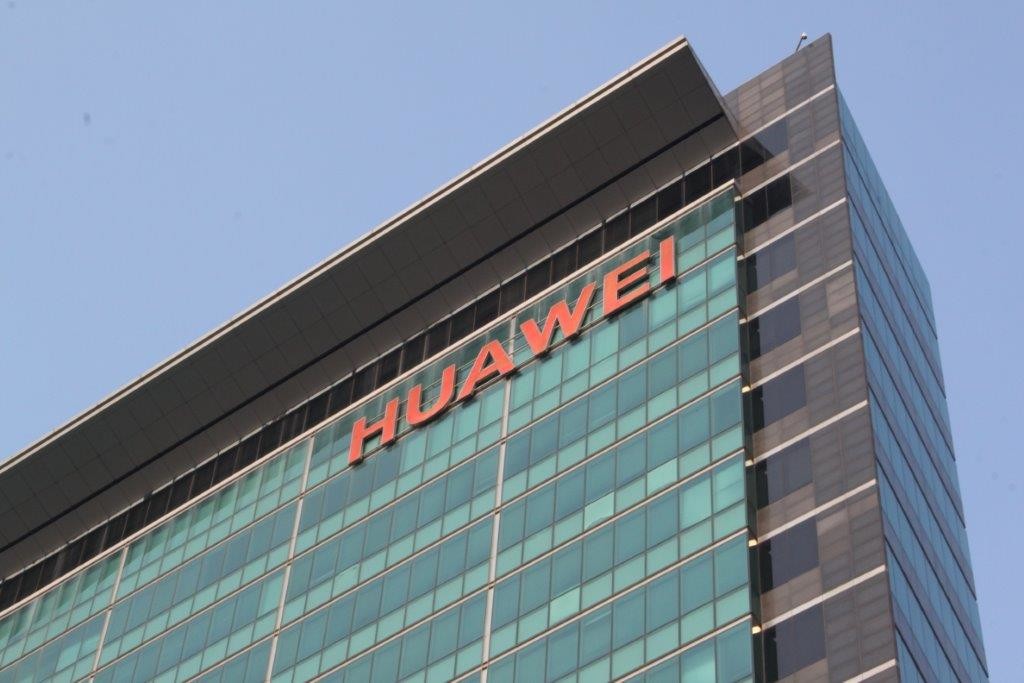 Photo: Neowin (file photo)
A federal jury in Brooklyn convicted Chinese tech giant Huawei Technologies on Tuesday of conspiring to steal trade secrets and defrauding banks, in a sprawling criminal case over the company’s business in Iran and its alleged theft of American companies’ technology.
After a 12-week trial in federal court in Brooklyn, the jury found Huawei and three of its subsidiaries guilty on 10 of the 12 criminal counts they faced, including bank fraud, wire fraud, sanctions violations and conspiracy to steal trade secrets. The companies were acquitted of the most serious charge — racketeering conspiracy, which alleged the company had acted as a criminal enterprise — and of conspiracy to obstruct justice.
The case, which began with a 2018 indictment and was expanded in 2020, centered on two sets of allegations. Prosecutors said Huawei misled banks including HSBC, Standard Chartered and BNP Paribas about its business in Iran, in part to obtain billions of dollars in credit and loans and access to U.S.-dollar clearing services. They also accused the company of a two-decade conspiracy to steal intellectual property from American companies, including competitors and some purported business partners.
During the trial, which featured more than 60 prosecution witnesses and 15 for the defense, prosecutors tried to prove Huawei stole source code from Cisco Systems for its routers, antenna technology from wireless company Quintel, and hired a professor to gain access to a circuit board developed by semiconductor company CNEX. In one incident detailed at trial, Huawei gained access to a T-Mobile lab and stole technical data about the carrier’s testing robot, known as Tappy; prosecutors said engineers took photos and slipped a piece of the robot into a backpack.
Huawei’s lawyers argued the government was criminalizing ordinary business activity. The company’s lawyer, Brian Heberlig, said Huawei would appeal the convictions but called the acquittals on the racketeering and obstruction counts “a vindication of the company and its good-faith compliance culture,” describing the racketeering acquittal as a “profound rejection” of the government’s narrative that the company was corrupt from top to bottom.
The verdict caps a case that has shadowed Huawei for years. The U.S. government placed the company on a trade blacklist in 2019, restricting its access to American technology amid concerns that it posed a national security risk. Huawei, one of China’s premier international brands and one of the world’s biggest suppliers of wireless network equipment, has been at the center of U.S.-China competition for decades, with American technology giants long accusing it of stealing their business secrets.
U.S. District Judge Ann M. Donnelly set sentencing for September 14, 2027. The company faces potentially billions of dollars in financial penalties. The case involved no human defendants.
Sources: Reuters, “China's Huawei convicted in US in sprawling criminal trial over Iran business” (Nov. 24, 2026, full text verified); CNN, “US court convicts China’s Huawei for fraud, conspiring to steal trade secrets, in sprawling trial over Iran business” (Nov. 24, 2026, verified); U.S. Department of Justice, “Chinese Telecommunications Conglomerate Huawei and Subsidiaries Convicted of Sanctions Violations, Bank and Wire Fraud, Conspiracy to Steal Trade Secrets, and Money Laundering” (Nov. 24, 2026, full text verified); Associated Press, “Chinese tech giant Huawei is guilty of conspiracy to steal trade secrets, US jury finds” (Nov. 24, 2026, verified). Event date verified: verdict returned Tuesday, November 24, 2026.
Sponsored