
Jobless claims tick up to 200,000 but stay near 57-year lows
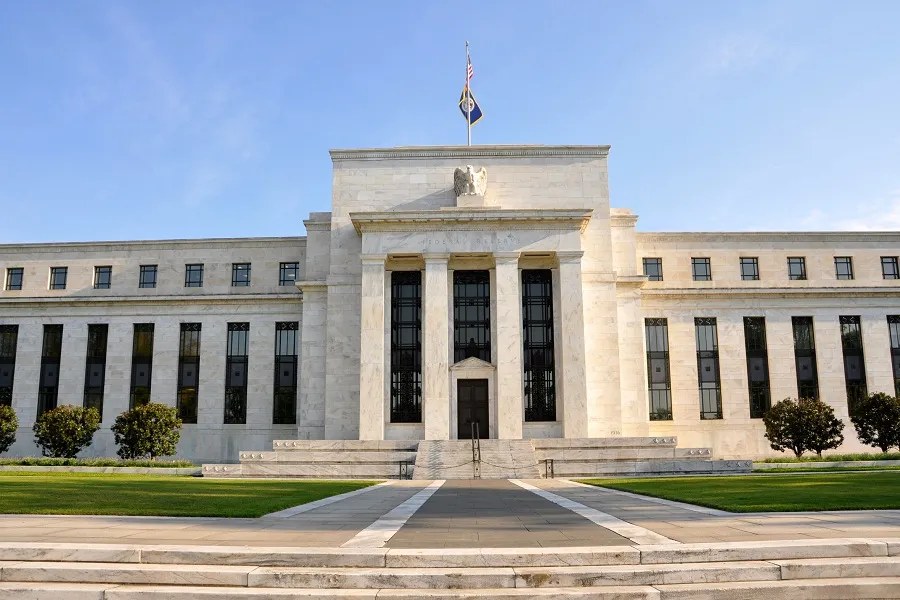 Photo: ITPro (file photo)
More Americans applied for unemployment benefits last week, but claims remain at historically low levels — a sign layoffs are rare and most workers enjoy unusual job security, even as hiring stays slow.
Initial claims for state unemployment benefits rose 9,000 to a seasonally adjusted 200,000 for the week ended November 7, the Labor Department said on Thursday. Economists polled by Reuters had forecast 195,000 claims. The prior week's figure was revised to 191,000.
The four-week average of claims, which smooths out week-to-week volatility, was unchanged at 195,250. Claims have now come in at or below 200,000 for nine straight weeks, and have stayed at or below that level since mid-September. They remain close to the 189,000 level touched in mid-July, the lowest since 1969.
"Firms are continuing to hold on to labor," said Olivia Cross, senior U.S. economist at Pantheon Macroeconomics. "We expect layoffs to remain low through the fourth quarter, but then come under some pressure next year in response to the recent tightening of financial conditions and the growing use of AI by firms."
Some economists say the historically low level of claims is partly a matter of arithmetic: a smaller workforce, due to retirements and the Trump administration's immigration crackdown, means fewer workers to file for unemployment insurance. "A generally smaller labor force could mean fewer workers to file for unemployment insurance," said Veronica Clark, an economist at Citigroup, adding that continuing claims suggest the unemployment rate "may even fall further towards around 4.0% in data by early 2027."
The claims report also showed that the number of people receiving unemployment benefits after an initial week of aid — a proxy for hiring — fell 20,000 to a seasonally adjusted 1.697 million during the week ended October 31. But the figure does not include some unemployed people, such as recent college graduates and others with little or no work history, and some workers may have exhausted their eligibility for benefits, which is limited to 26 weeks in most states.
The other side of the tight market is that workers who do lose their jobs are taking longer to find new ones. The median duration of unemployment jumped to 11.9 weeks in October, the longest since November 2021, from 11.5 weeks in September. "A low hiring rate means those who are unemployed are spending longer finding alternative work," said Michael Pearce, chief U.S. economist at Oxford Economics.
So far this year, employers — companies, government agencies and nonprofits — have been adding an average of 86,000 jobs a month, including a surprisingly strong 165,000 in October, when the unemployment rate fell to 4.1% from 4.2% in September. That is modest by historic standards but an improvement on a lackluster 2025, when monthly job creation averaged 9,700 as high interest rates and unpredictable trade policies discouraged hiring.
With layoffs this low, the Federal Reserve can keep its attention on inflation. Government data this week showed consumer prices rising more than expected in October, and financial markets have nearly priced in a 25-basis-point rate hike in December, with another increase expected in January, according to CME Group's FedWatch tool. The Fed left its benchmark overnight interest rate in the 3.75%-4.00% range last month.
"There's little in the incoming labor market data to trouble officials at the Fed, who will remain squarely focused in the near term on the inflation outlook," Pearce said.
Sources: Reuters, "US weekly jobless claims increase, but labor market remains stable" by Lucia Mutikani (Nov. 12, 2026, full text verified); Associated Press, "US jobless claims tick up to 200,000 but remain low by historic standards" (Nov. 12, 2026, full text verified). Event date verified: November 12, 2026 (Labor Department release day).
Sponsored