
After ICE raids, southwest Kansans swung to a Democrat. Now they want accountability
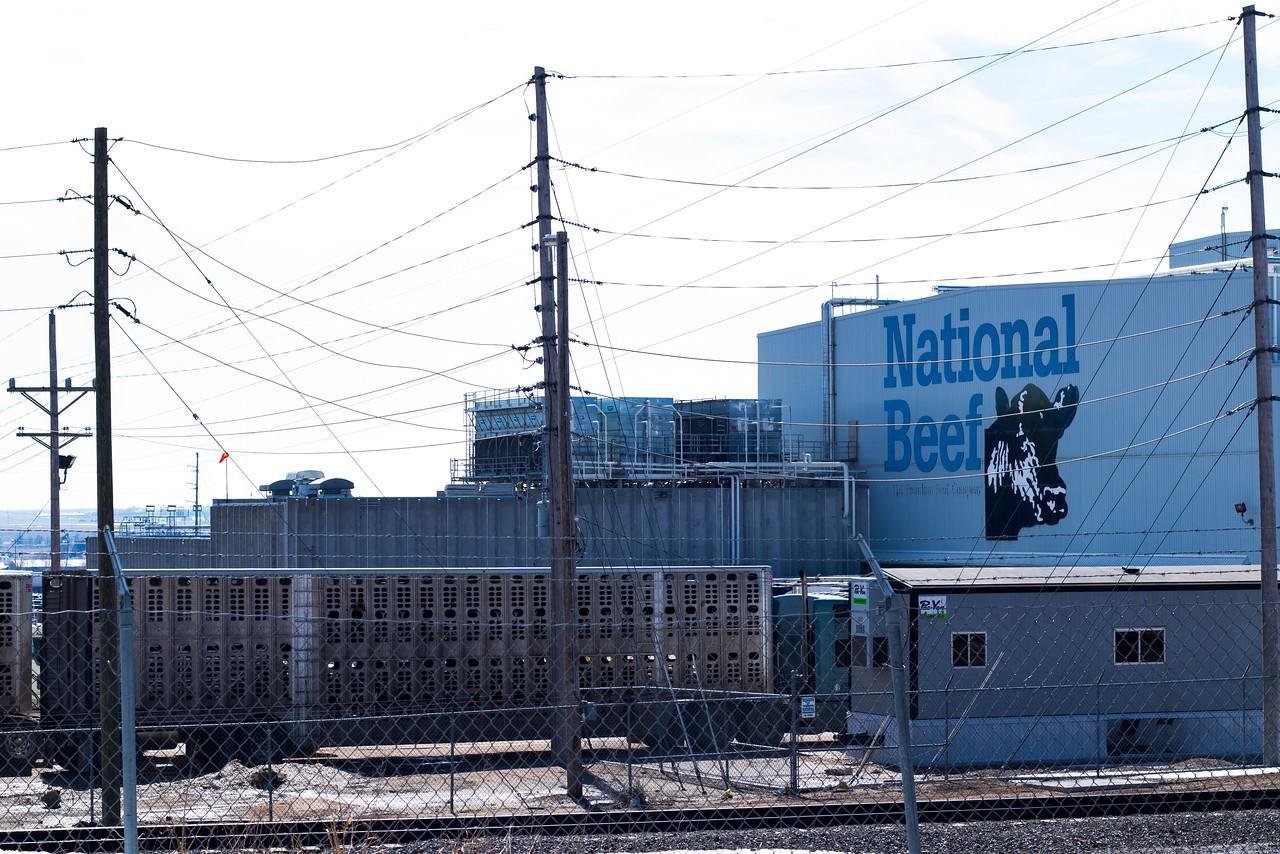 Photo: Lawrence Journal-World (file photo)
Federal immigration agents swept into southwest Kansas in late September and detained 104 people. Six weeks later, voters in the counties hit hardest delivered a verdict: they swung sharply toward the Democrat who called the raids a disaster — and now they want someone held responsible.
Early last month, Amy Soberanes stood before the Dodge City commission to ask what the city had known about the raids, why the area had been targeted, and what would happen if agents came back. "Our community is looking for reassurance and direction," said Soberanes, a 25-year-old Mexican American business owner. There were few answers that night.
But on November 3, Election Day, voters made themselves heard. Kansas elected a Democrat to the U.S. Senate for the first time in nearly a century when Adam Hamilton ousted incumbent Republican Roger Marshall. The three counties most affected by the ICE raids swung toward Hamilton by more than 20 points on average from President Donald Trump's 2024 vote share, according to results compiled by Reuters and USA Today.
The raids, a three-day operation the Department of Homeland Security called Operation Safe Community, ran from September 22 to 24 and detained 104 people, according to the local U.S. Attorney. Hispanic communities in Dodge City, Garden City and Liberal — towns dominated by meatpacking plants staffed by a mostly immigrant workforce — were hardest hit.
Carlos Rivera was working at the National Beef packing plant on September 22 when he heard from truck drivers that ICE agents had been spotted around town. During the next shift change, some departing employees were detained by agents waiting on the street outside the plant, Rivera said. As news spread, others fled back inside. Many spent hours in the cafeteria until the agents left. Company switchboards were tied up over the following days with workers calling out, and regional cattle and livestock groups reported workforce disruptions at feedyards, dairies and meat processors, resulting in millions of dollars lost.
Local officials complained they had been kept in the dark. City Commissioner Rick Sowers was on an early-morning walk when he noticed flashing lights on multiple vehicles outside a neighbor's house and masked agents banging on the doors. "I just don't perceive that as an appropriate measure for a document case," Sowers told Reuters, referring to immigration documents.
Nick Hernandez, Dodge City's first Hispanic city manager, said city officials learned about the operation from social media. They began calling state and federal legislators for information, and 48 hours later, Republican U.S. Senators Jerry Moran and Roger Marshall passed along information from DHS that the agents were leaving. "Never during the operation did we find out who was actually in charge," Hernandez told the meeting.
Even Marshall, long a supporter of Trump's immigration policies, blasted the raids, saying in a statement that police "were not given advance notice or the level of cooperation we would expect," causing "mass disruptions to local communities and businesses." Hamilton, his opponent, called the raids a "disaster" and said Kansans were "fed up" with Marshall being a "mouthpiece for the president." He will be the first Democratic senator to represent the state since 1932 when he takes office in January.
In his victory speech, Hamilton recalled a story from a woman in Dodge City who told him some parents were too afraid to pick their children up from elementary school. "This was not OK," he said.
The fallout reached beyond the election. Representative Sharice Davids, a Kansas Democrat, wrote to Homeland Security Secretary Markwayne Mullin in October with what she called "grave concerns" about the raids, saying they had damaged the beef and dairy industries. Southwest Kansas accounts for more than 20% of the nation's daily cattle slaughter, and the U.S. Department of Agriculture reported an 8.5% drop in the week-to-week slaughter of livestock after the operation. A Wichita Eagle investigation found that four of the five people the U.S. Attorney's office identified as convicted criminals taken into custody had been deported months before the raid, and the fifth was already in federal prison at the time.
For families caught in the sweeps, the consequences are still unfolding. Karla Flores and her husband Alfredo Arrieta went shopping at Walmart on the day the operation started, planning to hunker down at home. Arrieta crossed into the U.S. illegally in 2022 and found work as a mechanic in Dodge City; Flores overstayed a tourist visa and worked as a cleaner. They were pulled over by immigration agents shortly after leaving the store. Before being handcuffed, Flores called her brother, who arranged to have their three children picked up from school and taken to a relative's house. The couple were deported to Mexico after five weeks in ICE custody. Their two youngest children have joined them. Their eldest, aged 17, is living with Flores' brother.
"They're still dealing with the aftermath," Arrieta said of his children. "We got up, we took them to school and then a few hours later they're told your mom and dad aren't here anymore."
Asked for comment, the Department of Homeland Security said in a statement: "We will continue to enforce our nation's laws and remove illegal aliens from American communities." The department also said parents have a choice if they want to be removed with their children, or ICE will place the children with a safe person the parent designates.
Trump, in the wake of his party's midterm drubbing, has sent mixed signals on immigration policy. He told "60 Minutes" that his deportation campaign may have been "too tough." He then promoted Stephen Miller, architect of Trump's immigration strategy, to be his next chief of staff. White House spokesperson Lauren Bis said in a statement that Trump's "commonsense immigration agenda has delivered the most secure border in history."
As Dodge City tries to move on, residents have looked to one another for support. In the weeks after the raids, New Frontiers, a local nonprofit, delivered hundreds of meals to affected families — and helped register residents to vote. "We thought we were untouchable" because of the area's meatpacking plants and their dependence on immigrant workers, Soberanes said, adding that she had never seen people so politically energized. Now, she said, "our community wants people to be held responsible for what happened."
Sources: Reuters, "After ICE raids, southwest Kansans swung to a Democrat. Now they want accountability" (Nov. 13, 2026, full text verified); KCN Online, "Davids Critical of ICE Raids in Southwest Kansas" (Oct. 15, 2026), corroborating the 104 arrests, Sept. 22–24 dates and economic impact, and reporting the Wichita Eagle investigation. Event date verified: Friday, November 13, 2026 (Reuters report); raids September 22–24, 2026; election November 3, 2026.
Sponsored