
FDA grants Keytruda full approval for high-mutation tumors, with a stricter cutoff
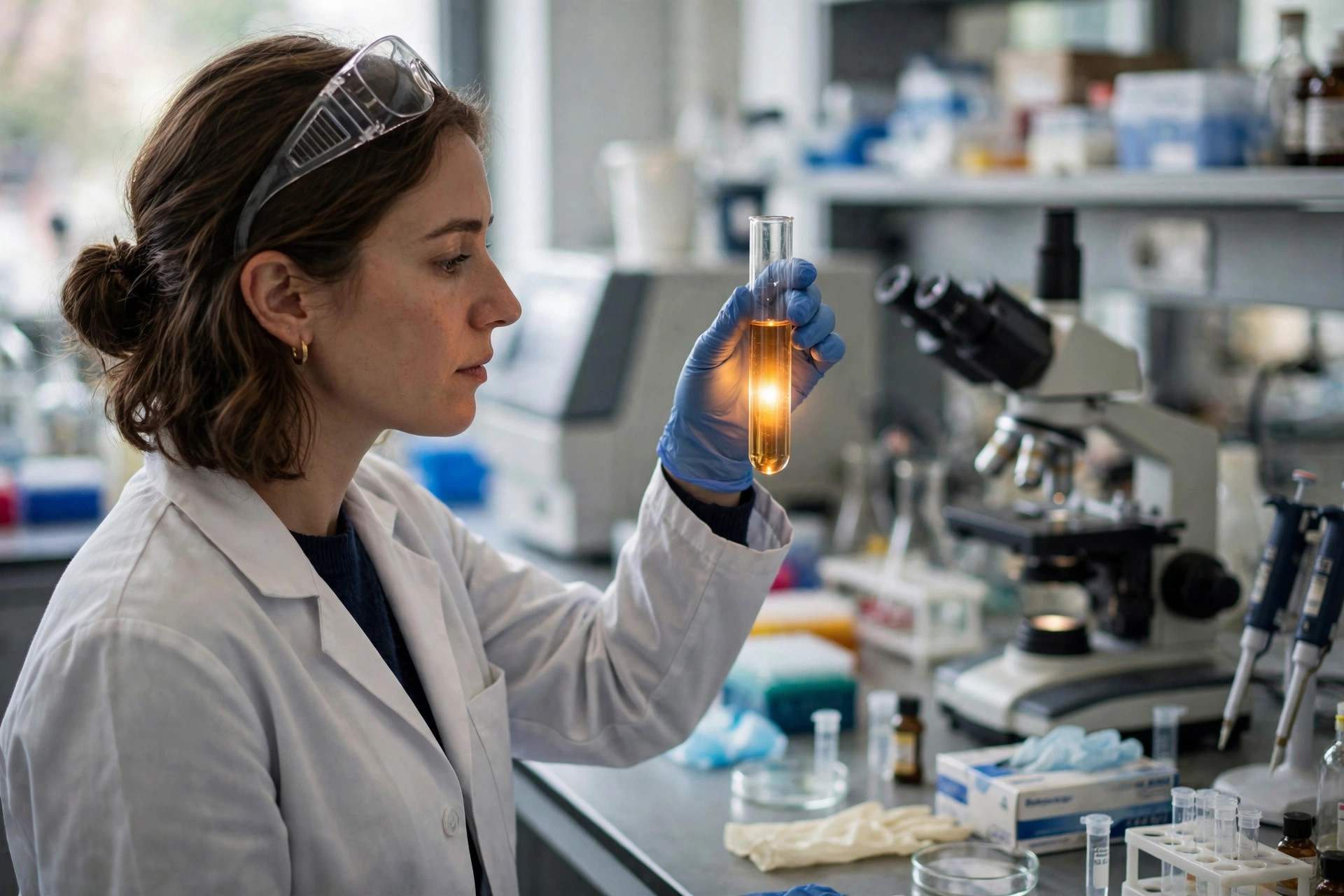 Illustration: Press Pass USA
The Food and Drug Administration has granted traditional, full approval to Keytruda for adults and children with unresectable or metastatic solid tumors with high tumor mutational burden — but with a stricter definition of who qualifies.
The October 16 decision covers pembrolizumab (Keytruda, Merck) and its subcutaneous form, pembrolizumab and berahyaluronidase alfa-pmph (Keytruda Qlex), for patients whose tumors score at least 13 mutations per megabase on an FDA-authorized test, whose cancer progressed after prior treatment and who have no satisfactory alternative treatment options.
The move converts the accelerated approval granted in 2020, which defined tumor mutational burden-high as at least 10 mutations per megabase. The FDA said effectiveness needed for full approval was not confirmed in patients scoring 10 to just under 13 — meaning some patients who met the original cutoff no longer fall within the labeled indication.
Efficacy was evaluated in the KEYNOTE-158 trial. In the main analysis, about 36% of 220 patients with scores of 13 or higher saw their tumors shrink, and 58% of those responders kept that response for at least a year. Common side effects include fatigue, rash, diarrhea, cough and muscle pain; immune-related reactions affecting organs such as the lungs, liver, bowel or hormone glands need prompt medical attention.
Sources: U.S. Food and Drug Administration (Oct 16, 2026); CURE Today (Oct 22, 2026); Medical Daily (Oct 24, 2026).
Sponsored