
Massachusetts sues to block ICE from making courthouse arrests without a warrant
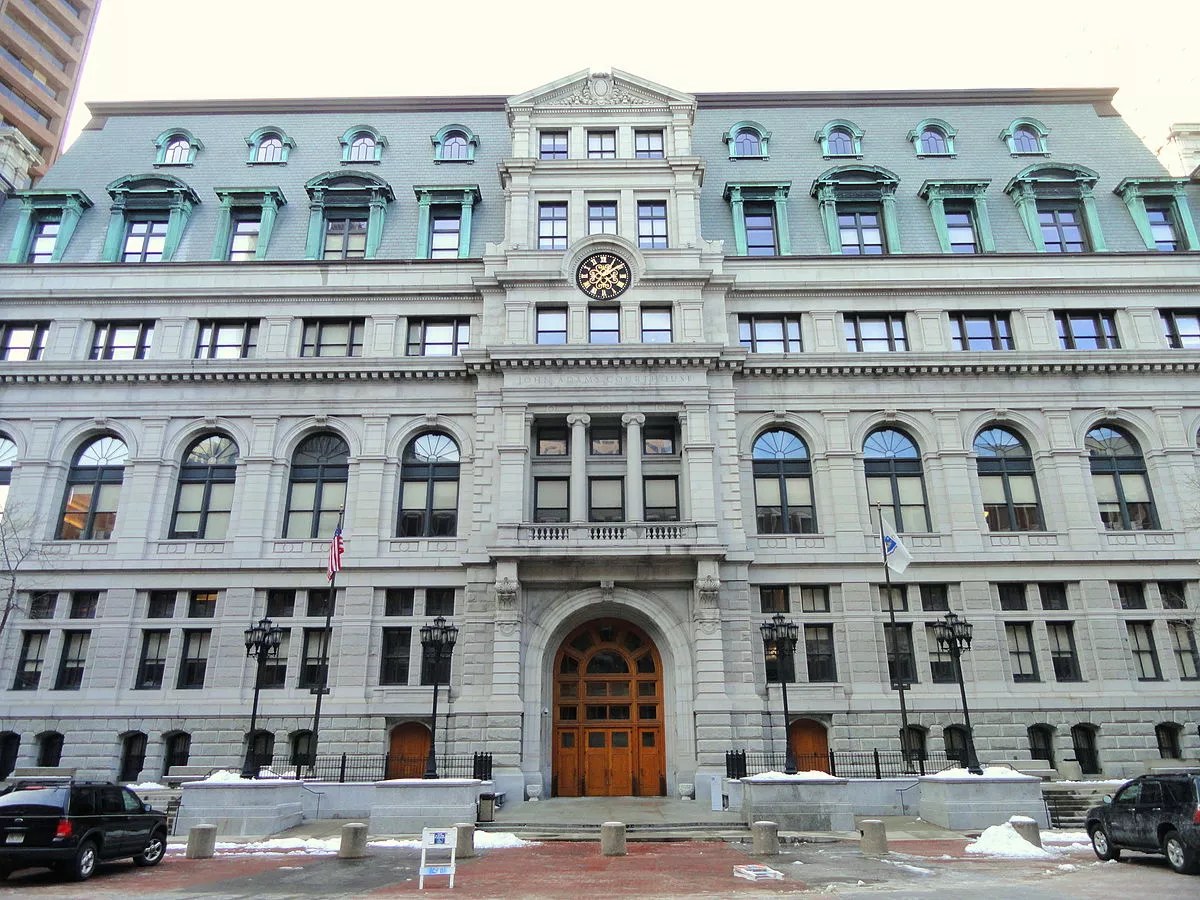 Photo: KJC Law Firm (file photo)
Massachusetts sued U.S. Immigration and Customs Enforcement on Monday, asking a federal court to block the agency from making civil arrests inside the state's courthouses without a judicial warrant. Attorney General Andrea Joy Campbell said ICE has arrested more than 1,100 people at Massachusetts courthouses since President Donald Trump took office — and at least 38 more in the two and a half weeks since a new state law banned the practice.
The lawsuit, filed in federal court in Boston, challenges a May 2025 ICE memorandum that told agents they may conduct civil arrests in or near courthouses. Massachusetts says the policy violates its PROTECT Act, a state law that took effect November 3 and explicitly bars civil immigration arrests in state court without judicial warrants.
"ICE's intentional violation of state law has created unnecessary fear, made it more difficult to operate our courts and hold defendants accountable," Campbell said in a statement.
According to the attorney general's office, ICE arrested more than 600 people at Massachusetts state courthouses in 2025 and more than 500 during the first 10 months of 2026. Since the PROTECT Act's courthouse protections took effect on November 3, the agency has arrested at least 38 people inside state courthouses without judicial warrants, including in Chelsea, Medford, and Peabody.
The lawsuit describes the consequences for people who need the courts. It says survivors of domestic violence have been afraid to seek restraining orders against their abusers, and it cites a case from November 3 — the very day the law took effect — in which ICE arrested a defendant at a courthouse in Medford who was scheduled to appear for a criminal trial, preventing him from appearing in court.
Campbell's lawsuit argues the ICE policy violates the Administrative Procedure Act because it was adopted without regard for its impact on states, and that the Immigration and Nationality Act does not explicitly authorize courthouse arrests. It also contends the policy tramples on the Tenth Amendment, which protects states' rights, by interfering with Massachusetts' right to manage its own judicial system.
The case, Commonwealth of Massachusetts v. U.S. Immigration and Customs Enforcement, No. 1:26-cv-15219, also notes that a federal judge in San Jose, California, vacated the ICE courthouse-arrest policy in June. California Attorney General Rob Bonta filed a similar lawsuit earlier this month seeking to block ICE arrests at state courthouses.
The U.S. Department of Homeland Security, which oversees ICE, did not immediately respond to a request for comment.
During Trump's first term, local district attorneys and public defenders in Massachusetts won an injunction blocking ICE from conducting courthouse arrests, but a federal appeals court overturned that decision in 2020. Campbell's lawsuit acknowledges that ruling, but says that case centered on different legal arguments than the ones her case is presenting.
Sources: Reuters, "Massachusetts sues to block ICE from conducting courthouse arrests" (Nov. 23, 2026, full text verified); Massachusetts Office of the Attorney General, "AG Campbell Sues ICE Over Unlawful Courthouse Arrests" (Nov. 23, 2026, full text verified); Bloomberg Law, "Massachusetts Sues ICE Over Warrantless Arrests in Courthouses" (Nov. 23, 2026, full text verified).
Sponsored