
NATO to send AWACS radar plane to Poland after Russian missiles land
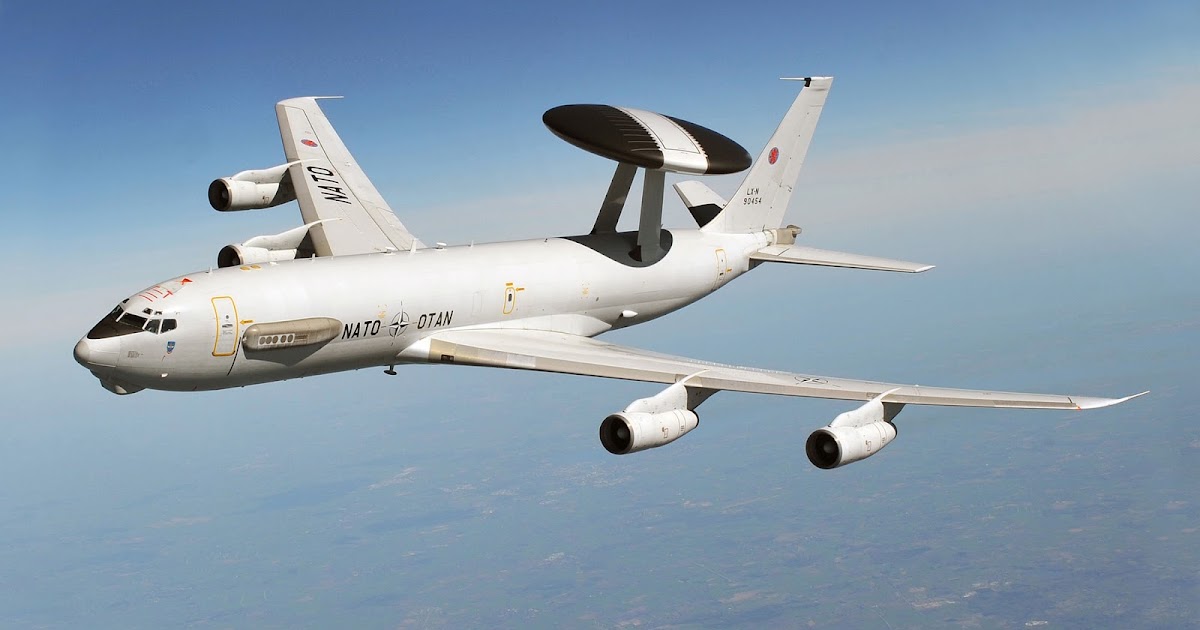 Photo: JetFlightPro (file photo)
NATO will deploy an AWACS early-warning aircraft to Poland after three Russian cruise missiles landed in the country on Friday, a Polish deputy defence minister said Monday, following an emergency meeting of the alliance's top decision-making body in Brussels.
"An AWACS early-warning aircraft will be made available to Poland," Deputy Defence Minister Paweł Zalewski told reporters after the meeting of NATO's North Atlantic Council. "This is a very good system that gives us even deeper operational awareness which allows us to respond better to this kind of threat."
Polish prosecutors said the three objects that came down in southeastern Poland on Friday were Russian Kh-101 cruise missiles, which they said were manufactured in the fourth quarter of 2026. The missiles landed near Nowy Lipowiec, Rudnik nad Sanem and Mołodycz during a heavy Russian bombardment of Ukraine. No one was hurt and no damage was reported in Poland.
The incursion came during one of the largest Russian air attacks on Ukraine of the war, in which Moscow fired more than 400 drones and over 110 missiles, according to Ukrainian President Volodymyr Zelenskyy. Polish F-16 jets and Swedish Gripen fighters patrolled through the night as the attack unfolded.
Poland had asked NATO for more forces under Operation Eastern Sentry, the alliance's air-defence mission on its eastern flank, including early-warning aircraft and F-35 fighter jets. Defence Minister Władysław Kosiniak-Kamysz said over the weekend that Poland would receive "strong support from NATO allies to strengthen the protection of our eastern border."
NATO Secretary-General Mark Rutte visited Warsaw on Saturday, a day after the missiles landed, and promised the alliance would defend Poland. "I can guarantee that NATO will defend every inch of Polish territory," Rutte said, adding that Gen. Alexus Grynkewich, NATO's top commander in Europe, would examine any weaknesses in the alliance's defences and make changes where needed.
Poland has not formally invoked Article 4 of the North Atlantic Treaty, which provides for consultations among allies when a member's security is threatened. Warsaw instead requested extra NATO assets and allied consultations, and its foreign minister has signalled Poland intends to raise the incident at the United Nations Security Council.
Whether the incursion was deliberate remains disputed. Prime Minister Donald Tusk said it appeared to be an intentional provocation by Moscow, timed to coincide with a multinational military exercise at Nowa Deba involving troops from 11 countries. U.S. President Donald Trump, however, has said the missiles entered Poland by mistake. Moscow has made no public comment on the incident.
NATO's AWACS fleet — 14 aircraft with distinctive nine-metre-wide radar domes — has served as the alliance's eyes in the sky since 1982. Based at Geilenkirchen air base in Germany, the planes have played a central role in surveillance along NATO's eastern flank since Russia launched its full-scale invasion of Ukraine in 2022. In a conflict, they can provide a common radar picture for allied fighters, ships and control centres, while directing NATO combat jets to their targets.
Sources: Reuters, "NATO to send early-warning system aircraft to Poland after missiles incident" (Nov. 23, 2026, full text verified); AsiaToday, "NATO defends Poland, Rutte vows after missile landings" (Nov. 22, 2026, full text verified, reporting Agence France-Presse and the Polish Press Agency); The American Legion, "Five Things to Know, Nov. 23, 2026" (Nov. 23, 2026, meeting details corroborated).
Sponsored