
Ohio factories ride data-center boom as shoppers pull back, Cleveland Fed reports
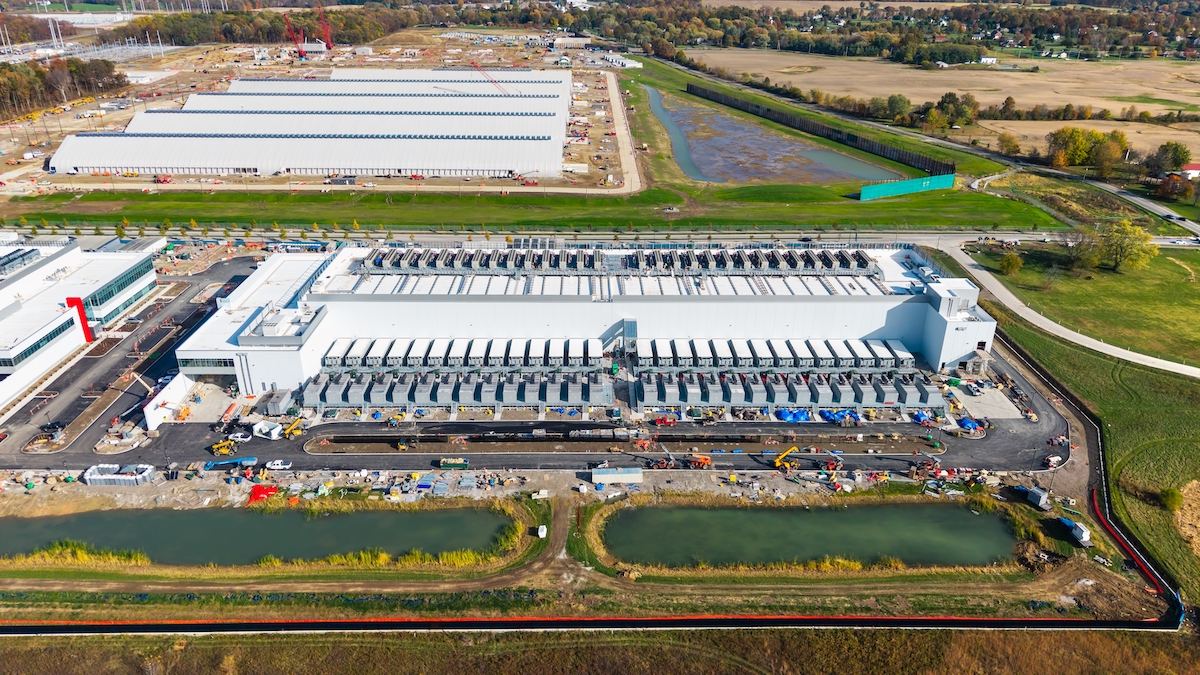 Photo: Built In (file photo)
Ohio factories are booming on data-center, power-generation and defense orders while shoppers hold back, the Federal Reserve Bank of Cleveland said Wednesday in its latest Beige Book survey of business conditions across Ohio and parts of three neighboring states.
On balance, business activity in the Fourth District — Ohio, western Pennsylvania, eastern Kentucky and the northern panhandle of West Virginia — increased moderately in recent weeks, with moderate growth expected in the months ahead, the Cleveland Fed reported. The survey, based on information collected on or before November 16, is the Fed’s final regional check before policymakers meet December 8–9 to decide on interest rates.
Manufacturing was the bright spot. Demand for manufactured goods grew robustly, driven mainly by data center buildouts, power generation and defense spending, the report said. Strong data center demand strained the supply of microchips and electrical components, lengthening lead times and prompting some customers to place orders well in advance to secure availability. Manufacturers expected demand to keep increasing strongly in the coming months.
Consumer spending told a different story. It was flat for the second consecutive reporting period, as retailers broadly reported soft demand tied to persistent inflation, high fuel prices and low consumer confidence. Auto dealers reported continued soft demand because of high fuel prices, though one noted rising demand for hybrids and another said customers were investing in maintenance rather than new vehicles. Food and hospitality businesses, by contrast, reported strong demand increases.
Employment levels increased modestly on net, and wage pressures remained moderate. Several manufacturers created new technical roles, including staff to support research and development and artificial intelligence implementation, while some firms across sectors said they were using AI to limit hiring amid soft demand or to offset rising costs. One banker told the Fed that employees were facing an “affordability crisis,” and a retailer said it had raised wages to offset higher fuel and medical costs.
Cost pressures showed no sign of easing. Nonlabor cost pressures remained robust for the twelfth consecutive reporting period, with higher fuel costs the most frequently mentioned driver. Manufacturers widely cited rising costs for raw materials and metals such as steel, aluminum and copper, with several attributing the increases to tariffs. Health insurance premiums were increasing by double digits, one banker said. Selling prices rose robustly as firms passed along higher input costs, and one manufacturer said its contract prices would rise 19 percent at the start of the year.
Housing remained split. Residential construction activity declined slightly, with elevated mortgage rates acting as a “wet blanket” on the market for new and existing homes, keeping some would-be sellers locked in and discouraging buyers. Demand for entry- and mid-level homes was especially soft, even as luxury homebuilding and affordable housing stayed strong. Nonresidential construction demand increased modestly, driven by data center projects and heavy highway and civil construction.
Bankers reported that loan demand grew moderately, as continued strength in commercial lending was partly offset by softening consumer loan demand. One banker said commercial clients were eager to “lock in” current rates for projects ahead of anticipated rate increases in the coming months.
The report also carried a warning from the community groups the Fed surveyed: nonprofits and county governments reported worsening financial conditions among the people they serve and their own employees. One housing contact said people aged 55 and older were losing stable housing, or going from homeownership to homelessness, at a faster rate. A county government contact said food and housing insecurity now even affected middle- to upper-income county employees.
Nationally, the picture was similar. The Fed’s Beige Book found economic activity growing at a slight to moderate pace in eight of its 12 districts, with four reporting no change, while prices increased moderately overall and input costs continued to outpace the prices firms could charge. Reuters reported that the Fed is broadly expected to raise its policy rate by at least a quarter of a percentage point at its December 8–9 meeting, from the current 3.75%–4.00% range, with inflation still running well above the central bank’s 2% target.
Sources: Federal Reserve Bank of Cleveland, "Fourth District Beige Book: November 2026" (Nov. 25, 2026, full text verified); Reuters, "Fed survey shows continued growth and sticky inflation in recent weeks" (Nov. 25, 2026, full text verified); Bloomberg Law, "Fed Beige Book Shows Moderate Growth, Uptick in Wage Pressures" (Nov. 25, 2026, verified). Event date verified: the Beige Book was published Wednesday, November 25, 2026, based on information collected on or before November 16, 2026.
Sponsored