
Ohio becomes the epicenter of data center backlash as tax breaks cost schools $374 million
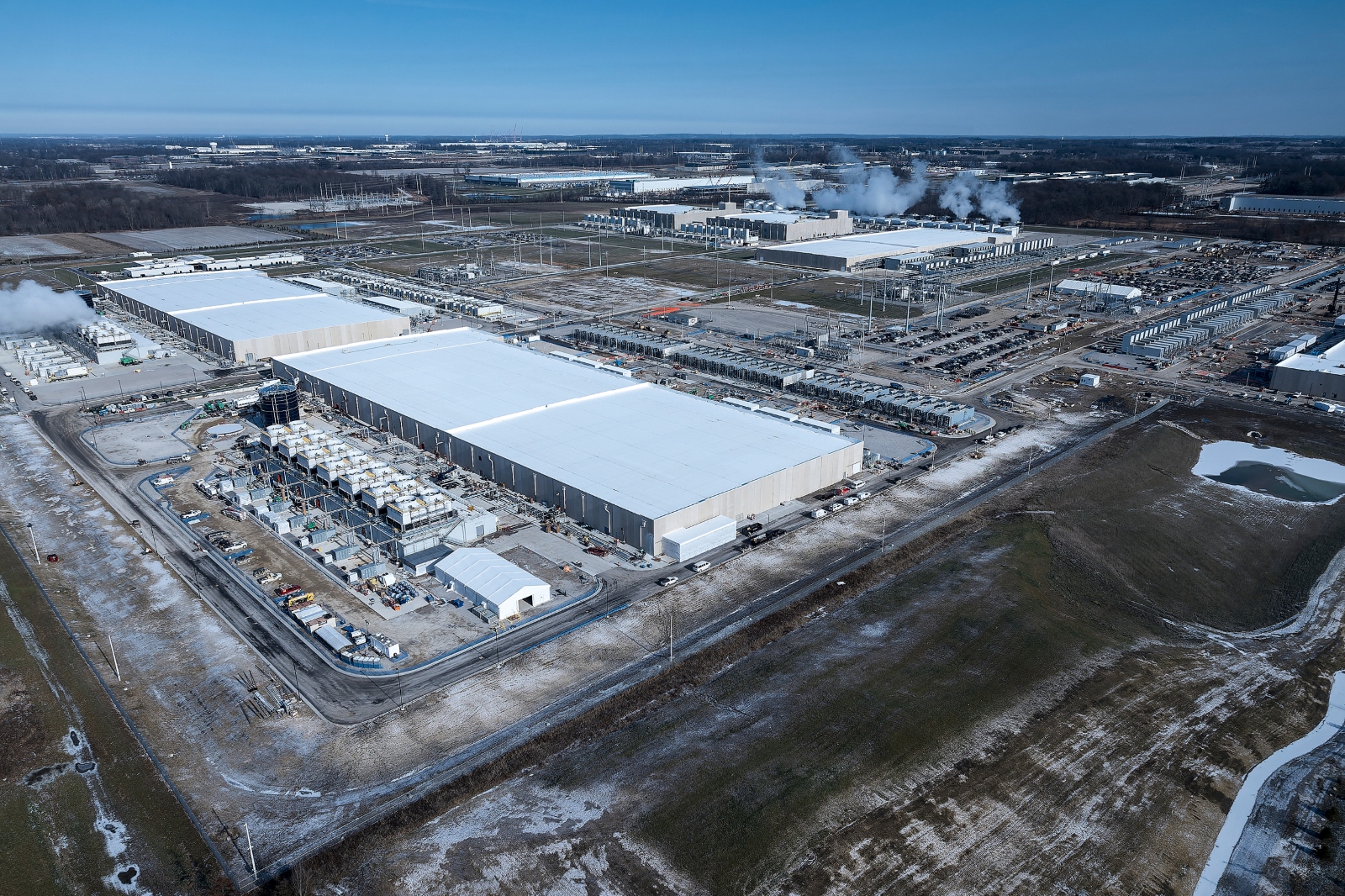 Photo: Environment America (file photo)
Ohio has become the center of America's backlash against data centers. In the Nov. 3 midterms, voters in 18 Ohio communities decided 21 measures on the giant server farms, and at least 14 of them passed bans or restrictions — and a new study says the state's data center tax break cost public schools nearly $374 million in 2025 alone.
The study, from Good Jobs First and Policy Matters Ohio, found that Ohio's sales-tax exemption for data centers cost the state almost $1.6 billion in forgone revenue in 2025 — more than 11 times the $136 million the state had projected. Counting local sales-tax losses, the true cost was closer to $2 billion. About $374 million of that missing money could have gone to traditional public schools, roughly $262 per student.
"Ohio lawmakers made a choice to give data center companies a blank check, and now Ohio's schools are paying the price," said Hannah Halbert, Policy Matters Ohio's executive director. "In 2025 alone, the state gave up enough revenue from this single tax break to fully update the Fair School Funding Plan and close the gap."
Gov. Mike DeWine paused the tax break for new deals in May, after the state realized how much it was costing. But the agreements already in place — including long-term deals with Amazon, Meta and Google, some lasting 40 years — were not affected. As of June, the state had 21 such agreements in place.
Gov.-elect Amy Acton has promised further scrutiny. She supports a conditional moratorium on data centers, and says she wants them to cover their utility costs, build with union labor, meet environmental standards, and see their incentives "reined in."
The backlash started in small towns. In Upper Sandusky, a town of about 6,600 people, residents learned in June that a developer wanted to build a $900 million, 146-acre data center campus with a natural gas power plant on the edge of town. Neighbors organized, filled planning commission meetings and gathered 1,100 signatures on a petition against it. On Nov. 3, voters approved a charter amendment blocking large data centers within the town limits.
"They wanted to use about a third of the water the whole town uses today," said Angela Huffman, a sixth-generation farmer who helped lead the opposition. "I'm not against AI or development, but can a town of this size absorb a development like that?"
Upper Sandusky's school district was one of the losers in the funding squeeze, missing out on $383,000 in revenue, according to the study. Only 24 of 66 school levies on the May ballot passed statewide. The district has had to cancel classes this year because it cannot install air conditioning in century-old buildings that are too expensive to rebuild.
The votes were not close. Sunbury passed its ban with 79% of the vote, Granville with 82%, and Trenton with about 80% — a ban aimed at a proposed 18-building Amazon campus on roughly 600 acres. NBC exit polls found 76% of voters opposed data center building in their communities, and a majority called the issue "crucial" to their vote.
The industry pushed back hard. Ohio was hit with $1.8 million in data center advertising in the fall, more than Texas or Wisconsin, according to Pew Research Center, and AI and crypto political action committees spent an estimated $65 million backing Republican Sen. John Husted, who lost reelection to Democrat Sherrod Brown on Nov. 3. Developers have still pitched $168.7 billion in new projects in the state.
Data center advocates say the facilities are still necessary. Dan Diorio, vice president for public policy at the Data Center Coalition, told the Ohio Tax Credit Authority that the developments benefit all people and businesses, not just AI companies. "This is a far more efficient way of doing all the computing, processing, and storage that we need to facilitate our daily lives in the 21st century economy," Diorio said.
Meta spokesperson Andy Stone said the company is committed "to pay our own energy and water costs so they're not passed onto consumers, fund new and upgraded grid infrastructure, and support local communities." OpenAI has published a "blueprint for responsible development" promising to work with cities and residents.
Ohio is not alone. Virginia, another data center hot spot, spent more than $4 billion on data center incentives over 10 years, according to a state report, and California and Texas have also moved to restrict developments this year. A campaign group, Conserve Ohio, is collecting signatures to put a statewide ban on data centers using more than 25 megawatts of electricity a month on the Ohio ballot in 2027.
Sources: Realtor.com, "Ohio Becomes the Epicenter of Data Center Backlash After Costly Tax Credits" (Nov. 18, 2026, full text verified); The Columbus Dispatch, "Local communities passed data center bans. Is all of Ohio next?" (Nov. 6, 2026, verified); Good Jobs First and Policy Matters Ohio, "Why are Ohio kids paying for data centers?" (Nov. 5, 2026, verified).
Sponsored