
Ohio measles cases reach 400 as one week's infections nearly match all of 2025
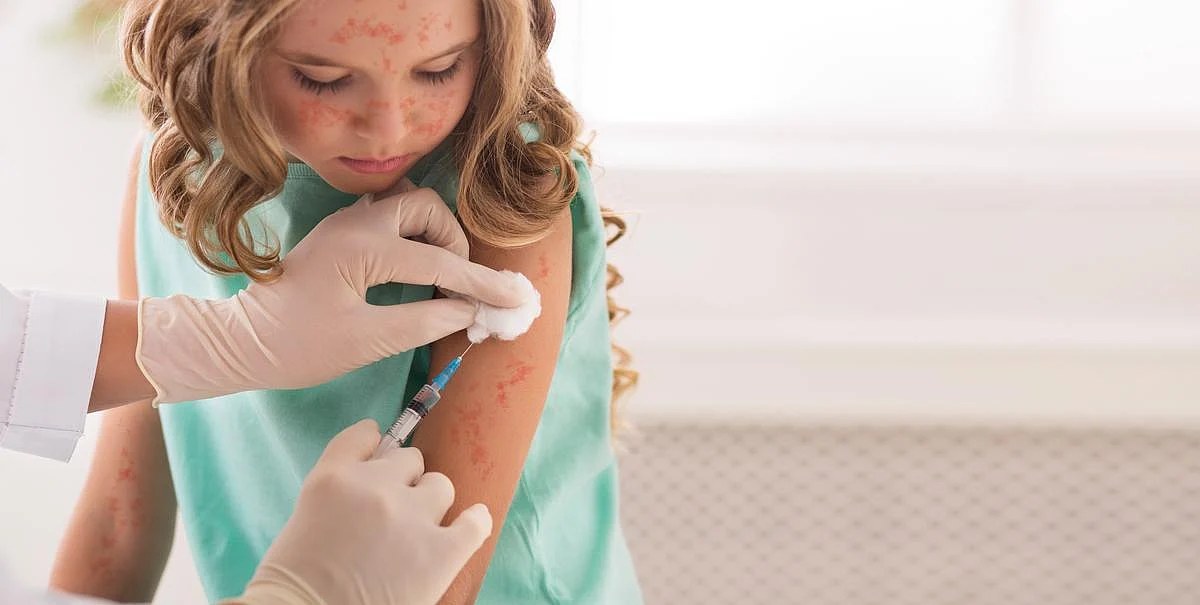 Photo: HealthDay (file photo)
Ohio has reported 400 measles cases across 30 of its 88 counties so far in 2026, the Ohio Department of Health said in an update Thursday, Nov. 26 — nearly nine times the 45 cases recorded in all of 2025.
Ohio added 42 new cases in the past week, a 35% increase from the 31 new cases reported the week before, according to the health department’s summary of infectious diseases dashboard. Just one week earlier, on Nov. 19, the state total stood at 358 cases in 28 counties.
Coshocton and Monroe counties joined the list of counties with confirmed cases this week, with three cases between them. Ashland, Medina and Wayne counties reported the most new cases. Geauga County remains the hardest hit with 69 cases, followed by Wayne with 59 and Ashtabula with 58. Medina County has 40 cases, including 12 new ones this week, and five people there have required hospitalization.
The new cases follow a possible exposure event in which one person may have spread measles across five locations in western Ohio, roughly a week after a similar situation in Geauga and Lake counties. This is the state’s third measles outbreak of 2026, after earlier outbreaks in Cuyahoga County in January and Franklin County in February. The ages of those with confirmed cases range from 15 months to 20 years old, and the vast majority of cases are among unvaccinated people, according to the health department.
“It’s unfortunate that these outbreaks have become more common in Ohio over the past few years, because this disease is preventable,” Dr. Bruce Vanderhoff, director of the Ohio Department of Health, said in a July statement. “This serves to emphasize the importance of being fully vaccinated. I strongly encourage you to protect yourselves and your children by getting vaccinated.”
Measles cases have been growing in Ohio over the past several years, with one case in 2023, seven in 2024 and 45 in 2025. The 400 cases so far in 2026 are nearly three times the total of the previous four years combined. Ohio’s MMR vaccination coverage rate for children and adolescents was 91.5% in 2023, below the 95% threshold needed for herd immunity.
Nationally, the United States has officially lost its measles-free status. The U.S. Centers for Disease Control and Prevention reported 6,038 confirmed cases as of Nov. 25 — more than double last year’s total of 2,289 and the highest annual total since 1991 — along with nine measles-related deaths in 2026. The Pan American Health Organization announced Nov. 17 that measles is again endemic in the U.S., ending the elimination status the country had held since 2000.
Two doses of the MMR vaccine are 97% effective against measles, according to the Ohio Department of Health. Vaccination coverage among U.S. kindergartners has fallen from 95.2% in the 2019–20 school year to 92.5% in 2024–25, well under the threshold for effective herd immunity.
Measles symptoms usually appear seven to 14 days after exposure and include a rash, high fever, runny nose, cough, loss of appetite and red, watery eyes. As many as one in 20 children with measles gets pneumonia, the most common cause of death from measles in young children. The virus can live for up to two hours in air where an infected person coughed or sneezed, and people can spread it from four days before through four days after a rash appears.
Sources: The Columbus Dispatch, “New Ohio measles cases this week nearly match total from 2025” (Nov. 27, 2026, full text verified); Reuters, “US CDC reports nine measles-related deaths in 2026” (Nov. 25, 2026, full text verified); Medina County Health Department, “Health Alerts” (Nov. 25, 2026, verified). Event date verified: the Ohio Department of Health dashboard was updated Thursday, November 26, 2026, and the Dispatch reported the new figures Friday, November 27, 2026.
Sponsored