
Ohio Senate votes 31-1 to put traffic cameras to a public vote
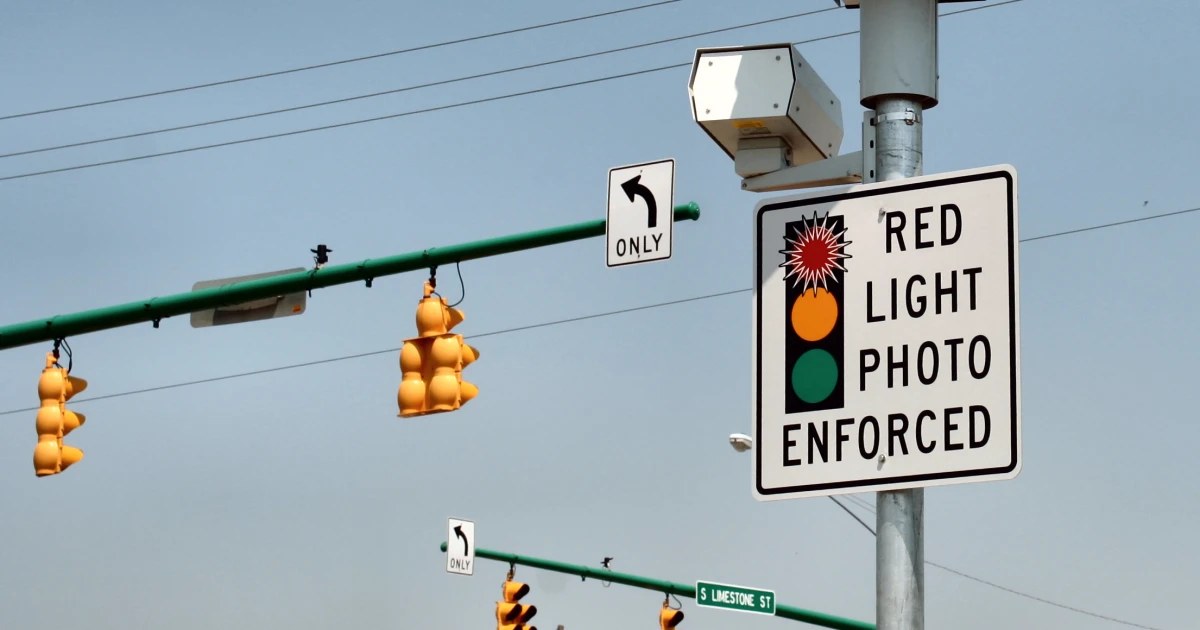 Photo: Automotive Fleet (file photo)
The Ohio Senate voted 31-1 on Wednesday to require cities and villages to get voter approval before using traffic cameras to catch red-light runners and speeders, sending the bill to the Ohio House with only weeks left in the legislative session.
Senate Bill 340, sponsored by Sen. Tom Patton, a Strongsville Republican, would require every city and village to win approval from its voters before putting up a traffic law photo-monitoring program to enforce red-light and speeding violations. The bill sets out the procedures and the ballot language for submitting a camera program to voters.
Under the bill, a city or village council that wants cameras must first adopt a resolution by majority vote and certify it to the county board of elections at least 90 days before a general or special election. Voters would then decide a single question: “Shall the use of automated traffic cameras be allowed in [municipal corporation] to detect traffic law violations?” A majority must approve before the city can use the cameras, and the bill sets no time limit on that approval.
The lone no vote came from Sen. Paula Hicks-Hudson, a Toledo Democrat. Toledo suspended its own traffic camera program in 2022, after a state law cut local government funding by the amount cities collected in camera fines.
Patton has pushed to restrict traffic cameras since 2016, arguing the programs have become money-making operations rather than safety measures. “Since 1991, voters have rejected 91% of all traffic camera approval referendums,” Patton said in a statement after the vote. “This sends a clear message to local governments that the voters do not want the devices on their streets.” He added: “The cities and villages know these cameras aren’t popular, that’s why they don’t ask the voters.”
The bill does not cover automated license plate readers, often known as Flock cameras. It extends to cities and villages the kind of restrictions the legislature placed on county and township camera programs in 2025, and it streamlines the state’s traffic camera law by removing provisions courts had ruled unconstitutional as applied to cities.
Thirteen Ohio municipalities operate traffic camera programs, according to the Ohio Department of Taxation: Higginsport, East Cleveland, Parma, Parma Heights, Gates Mills, Linndale, Newburgh Heights, Walton Hills, Brice, Monroeville, Willoughby Hills, Dayton and Girard. Four of the communities collect more than $2 million a year in camera fines, and Newburgh Heights took in more than $4 million from its cameras between July 2024 and June 2025, according to Cleveland.com’s reporting.
At hearings on the identical House version of the bill, skeptics argued the proposal would inject politics into routine public-safety decisions and undermine municipal authority. Supporters countered that the bill does not ban cameras — it simply puts the decision to voters.
The measure now sits with the Ohio House, which has not yet scheduled a vote. To become law, it must pass the House and be signed by Gov. Mike DeWine before the legislative session ends in December.
Sources: Ohio Senate, “Senate Passes Patton Bill Requiring Voter Approval For Traffic Cameras” (Nov. 18, 2026, full text verified); Ohio Legislative Service Commission, Bill Analysis S.B. 340 (verified); State Wonderer, “Ohio Senate passes bill requiring voter approval for traffic cameras” (Nov. 21, 2026, verified); Wise Voter, “Senate Bill 340 Requires Voter Approval for Traffic Cameras” (Nov. 18, 2026, verified); Columbus Ohio Herald, “Ohio Senate passes bill requiring voter approval for traffic cameras” (Nov. 20, 2026, verified). Event date verified: Senate passed Senate Bill 340 on Wednesday, November 18, 2026, by a 31-1 vote.
Sponsored